A Look at Japanese Beauty Culture and What’s Truly Appropriate
The question of when girls should start using cosmetics is one many parents and young people ask today. The answer depends not only on age, but also on purpose, product type, and cultural context. Japan offers an interesting and thoughtful approach to this topic—one that balances self-expression, skincare, and health.
The Japanese Perspective on Beauty and Age
In Japan, beauty culture places a strong emphasis on natural skin, cleanliness, and skincare over makeup. From a young age, girls are taught that healthy skin is more important than covering it.
- Elementary school age (6–12):
Makeup is generally not encouraged. Schools often prohibit cosmetics entirely. At this stage, skincare may include basic hygiene: washing the face properly and using sunscreen. Light, playful items (like lip balm or scented hand cream) may be allowed at home or for special occasions. - Early teens (13–15):
This is often when interest in cosmetics begins. In Japan, girls may start experimenting with very light makeup—such as clear lip gloss, eyebrow grooming, or light powder—usually outside of school hours. Skincare becomes more important, especially gentle cleansing and moisturizing. - Late teens (16–18):
Makeup use becomes more common and socially accepted. Many girls begin using foundation, mascara, and blush, but the preferred look remains natural and subtle. Education around proper makeup removal and skin care is strongly emphasized.
What Is Actually Healthy for Young Skin?
Dermatologists generally agree that young skin does not need heavy cosmetics. Using strong or adult-focused makeup too early can cause irritation, clogged pores, or sensitivity.
What is appropriate at a young age:
- Gentle facial cleanser
- Moisturizer suitable for sensitive skin
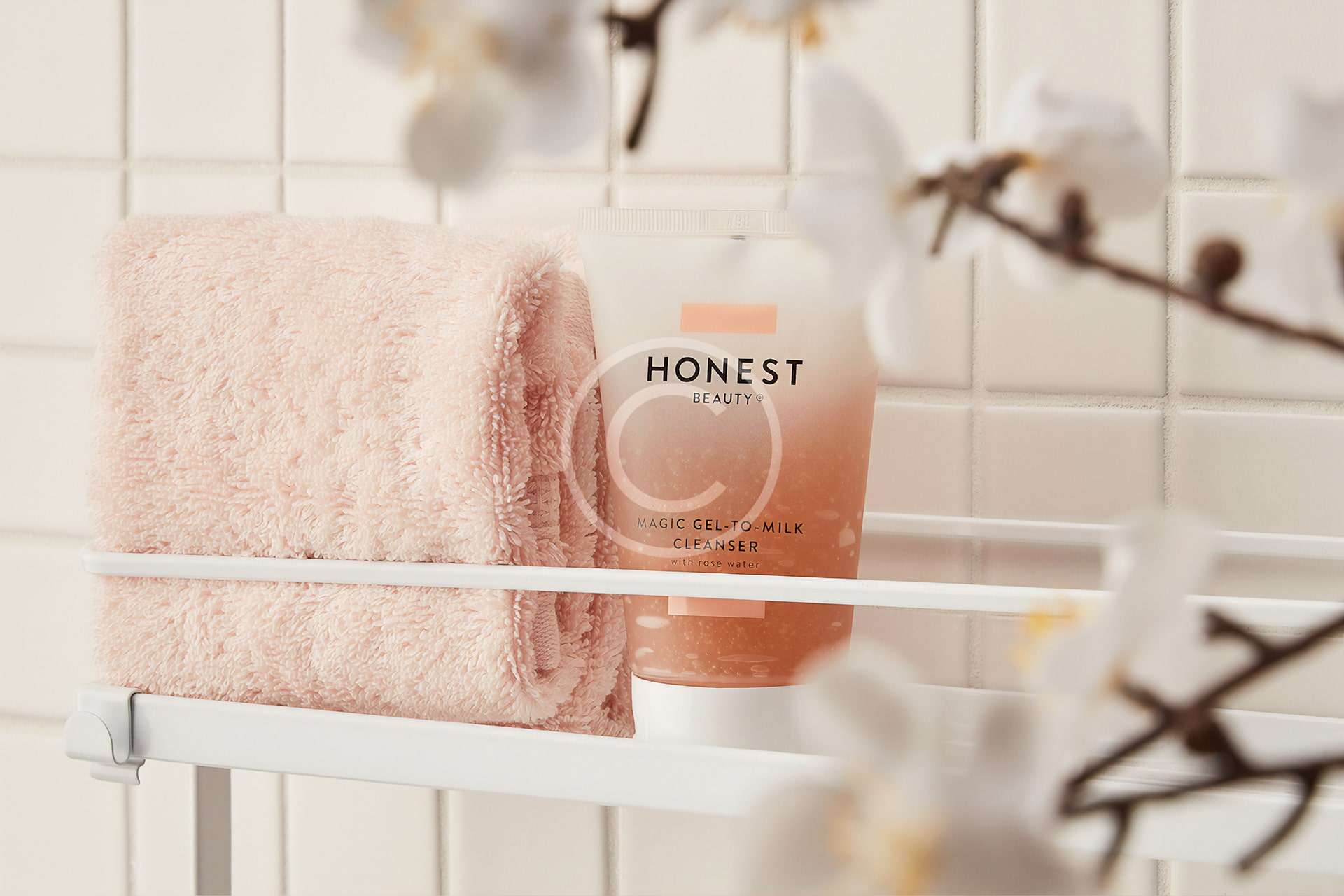
- Sunscreen
- Lip balm
- Light, non-comedogenic makeup for special occasions
What should be avoided:
- Heavy foundation
- Strong anti-aging products
- Harsh exfoliants
- Long-wear or waterproof makeup used daily
Makeup as Education, Not Pressure
One of the strengths of the Japanese approach is that cosmetics are seen as a skill to be learned gradually, not a necessity. Many parents guide their daughters on:
- How to apply makeup lightly
- How to remove it properly
- How to care for skin long-term
This reduces pressure and promotes a healthy relationship with beauty.
So, What’s the Right Age?
There is no single “correct” age—but based on both Japanese culture and dermatological advice:
- Skincare: can start in childhood
- Light makeup: early to mid-teens, occasionally
- Regular makeup use: mid to late teens, with education and moderation
The key is intent: makeup should be a form of self-expression and enjoyment—not a response to social pressure or unrealistic beauty standards.
Final Thoughts
Japan’s beauty culture reminds us that less is often more, especially for young skin. By prioritizing skincare, education, and age-appropriate products, girls can develop confidence and healthy habits that last well into adulthood.
Beauty is not about age—it’s about care, balance, and self-respect.